Experience
Emergency Sewage Cleanup in Jacksonville
Emergency Sewage Cleanup addresses the immediate removal, sanitation, and decontamination of raw sewage from homes, businesses, and other properties. If you have a sewage backup, overflow, or suspected contamination in or around your property in Jacksonville, FL, the priority is limiting exposure, containing the source, and restoring safe conditions. A qualified Emergency Sewage Cleanup service removes waste, sanitizes affected areas, and helps prevent ongoing health and structural damage.
Emergency Sewage Cleanup provides practical value by reducing biological hazards, limiting material loss, and documenting conditions for repair or insurance. Professionals use containment, extraction, disinfection, drying, and waste disposal techniques that are unsafe or impractical for most untrained property owners. Acting quickly reduces the chance of hidden contamination, mold growth, and extended downtime for occupants or businesses.
What does Emergency Sewage Cleanup involve in Jacksonville, FL?
Emergency Sewage Cleanup involves identifying the sewage source, removing bulk waste, sanitizing surfaces, and verifying that affected areas meet safe re-entry conditions. Technicians separate contaminated materials from salvageable items, perform mechanical extraction of liquids, and apply disinfectants and deodorizers where appropriate.
The work often includes controlled removal of carpeting, insulation, or porous finishes when those materials retain biological contaminants. Technicians measure moisture levels and use drying equipment to prevent secondary mold colonization. Waste is collected, contained, and transported according to waste-disposal requirements.
A full cleanup also documents the condition of the property, lists materials removed, and notes remaining repairs that a contractor or plumber should address. When the cleanup includes sanitation and decontamination services, providers focus on both visible waste removal and reducing microbial risks on surfaces and in building cavities.
When should you schedule Emergency Sewage Cleanup in Jacksonville, FL?
Schedule Emergency Sewage Cleanup as soon as possible after a sewage release, sewer backup, or overflow to reduce health risks and secondary damage. Prompt action limits bacterial growth, structural damage, and odor issues that worsen with time.
Immediate cleanup is especially important when sewage contacts living spaces, HVAC systems, or underground structure components. If standing sewage is present, professional extraction and sanitization minimize exposure for occupants and responders. If you are unsure whether a situation requires professionals, prioritize safety: avoid contact with the contaminated area and call a provider to assess the risk.
Who may need Emergency Sewage Cleanup?
Any property where human waste or untreated wastewater has entered occupied spaces may need Emergency Sewage Cleanup. That includes single-family homes, rental properties, retail and office spaces, restaurants, and public facilities.
People most at risk include infants, the elderly, pregnant people, and anyone with compromised immune systems; these occupants require prompt cleanup and controlled re-entry. Property managers and business owners often call cleanup teams to limit liability, reopen spaces safely, and comply with public-health guidance.
How does the Emergency Sewage Cleanup process work?
The Emergency Sewage Cleanup process follows a sequence that protects people and property while restoring sanitary conditions:
- Initial contact and triage — A responder collects basic information and advises immediate safety steps, such as avoiding the area.
- On-site assessment — Technicians inspect the source, measure contamination extent, and identify affected materials and systems.
- Scope identification and estimate — The team outlines necessary cleanup, removal, drying, and decontamination tasks and communicates factors that affect timing and cost.
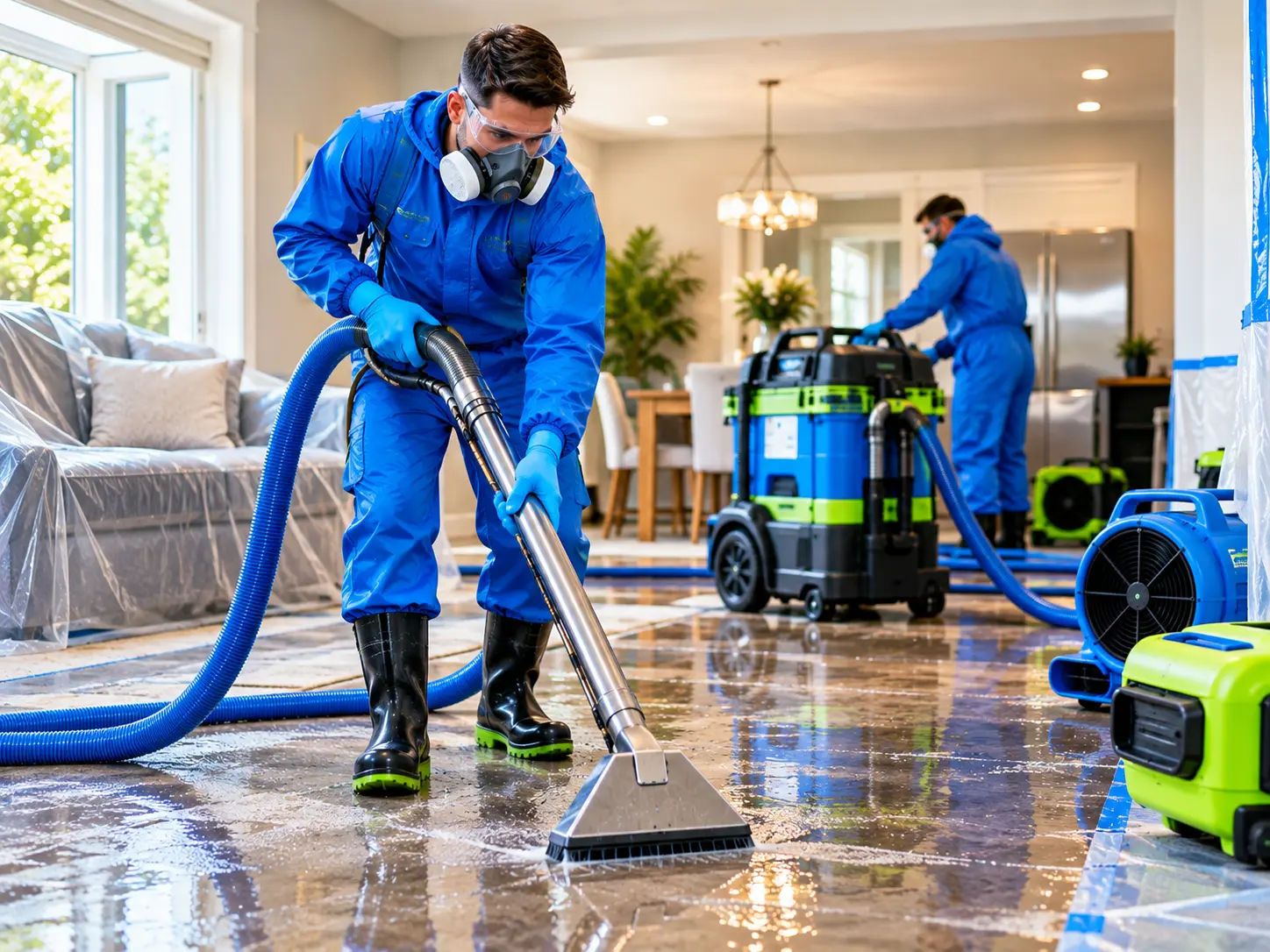
- Containment and preparation — Crews set up barriers, negative pressure, and personal protective equipment zones to limit spread.
- Waste removal and extraction — Pumps, wet vacuums, and manual removal collect liquids and solids for secure disposal.
- Cleaning and sanitation — Surfaces are cleaned with detergents and disinfectants; porous materials may be removed.
- Drying and monitoring — Commercial dehumidifiers and air movers reduce moisture and infrared or moisture meters confirm drying.
- Final inspection and documentation — The team verifies that the cleanup meets safety expectations and provides documentation for repairs or insurance.
Each step balances safety, material preservation, and regulatory compliance. Professionals adjust the process to the property’s construction, accessible systems, and scope of contamination.
What factors affect Emergency Sewage Cleanup?
Several property and event conditions affect the required cleanup actions and outcomes. The primary factors include:
- Source and type of sewage — raw sewage from sanitary lines differs from graywater or storm-related floodwater in microbial concentration and cleanup needs.
- Extent of penetration — whether contamination is limited to hard surfaces or has soaked into carpeting, drywall, insulation, or subfloors.
- Time since exposure — longer exposure increases microbial growth and the likelihood of demolition of porous materials.
- Accessibility — confined spaces, multi-story removal, or restricted access slow operations and may require specialized equipment.
- HVAC and plumbing involvement — contaminated ductwork, vents, or connected plumbing systems expand the scope.
- Occupant vulnerability and usage — healthcare, food service, or childcare spaces often require stricter sanitation and documentation.
Professionals assess these factors during the initial inspection and explain how each affects cost, duration, and required repairs.
What should you expect from Emergency Sewage Cleanup in Jacksonville, FL?
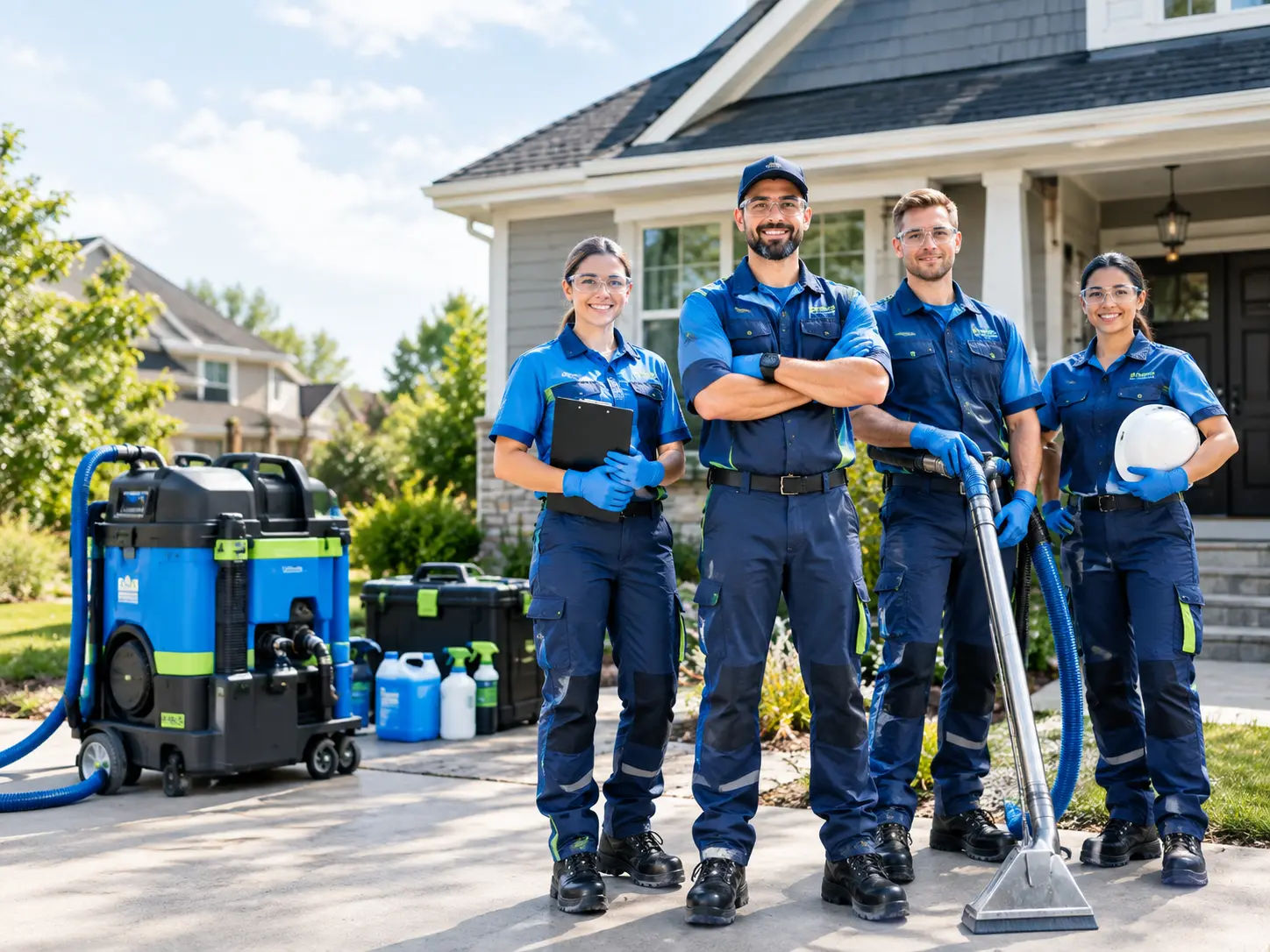
You should expect a prompt safety assessment, containment of the affected area, removal of sewage and non-salvageable materials, and documented sanitation actions. Technicians will wear appropriate PPE, set up containment, and prioritize occupant safety throughout the service.
You should also expect questions about building systems, recent plumbing issues, and property access to expedite work. During cleanup, crews will keep wet/dry/demolition zones separate and will secure removed materials for proper disposal. The provider should supply a concise report that lists actions taken and recommendations for structural repairs and moisture-related follow-up.
Expect that some items may not be salvageable; technicians should explain why materials such as porous flooring or insulation require removal. After cleaning, expect moisture monitoring and, if needed, coordination with contractors for reconstruction or plumbers for repairs.
What preparation may be required before professional crews arrive?
Before crews arrive, prioritize safety and access. Evacuate occupants and pets from contaminated spaces, keep people away from affected areas, and turn off HVAC systems if you can do so without entering contaminated spaces.
If safe, shut off electricity to the affected area to reduce electrical hazards; otherwise, notify the cleanup team and let them coordinate electrical-safe procedures. Remove valuables from uncontaminated adjacent areas and ensure clear access for equipment and vehicles. Take photos of damages for insurance purposes, but avoid entering hazardous zones to document the scene.
Provide responders relevant information, such as the time the event began, visible sources, and any prior plumbing issues. Clear and accurate information helps technicians scope work and bring the right equipment.
What equipment and materials are used for sanitation and decontamination?
Professionals use a mix of extraction, drying, containment, and protective equipment to manage sewage cleanup safely and thoroughly. Common equipment includes submersible pumps and truck-mounted extractors for bulk liquids, commercial wet vacuums, and high-capacity air movers and dehumidifiers.
For sanitation and decontamination, crews use detergents, EPA-registered disinfectants suitable for biological contaminants, and antimicrobial treatments for secondary microbial control. HEPA-filtered negative-air machines and portable air scrubbers reduce airborne particulates during cleanup and removal. Personal protective equipment such as nitrile gloves, chemical-resistant suits, eye protection, and respiratory protection prevents exposure.
Specialized tools like moisture meters, thermal imagers, and borescopes help detect hidden moisture and contamination. Waste is placed in sealed bags or containers and transported according to local regulations for contaminated waste.
What safety considerations apply during sewage cleanup?
Safety considerations center on biological hazards, chemical risks, and mechanical or electrical dangers. Sewage contains bacteria, viruses, and parasites that can cause illness through skin contact, ingestion, or aerosolized exposure; PPE and controlled procedures protect workers and occupants.
Electrical hazards arise when water contacts outlets, wiring, or appliances; professionals often coordinate with electricians to secure power before certain operations. Confined spaces such as sewer pits or crawlspaces require trained entrants, ventilation, and atmospheric monitoring. Disinfectants and cleaning agents have chemical hazards; crews use appropriate concentrations and PPE to prevent chemical injuries.
Do not attempt thorough cleanup without proper training and equipment. Avoid direct contact, never mix disinfectants unless instructed by professionals, and follow provider instructions about re-entry and handling salvaged items.
How do professionals determine scope and cost?
Professionals determine scope and cost by assessing visible contamination, hidden exposures, and required remediation techniques. The assessment may include moisture mapping, inspection of wall cavities and subfloors, and checking HVAC systems and plumbing connections to identify cross-contamination.
Cost drivers include the volume of contaminated waste, the amount of material requiring removal, the need for specialized equipment (e.g., submersible pumps or negative-air systems), accessibility constraints, and disposal requirements. When remediation uncovers structural damage or mold growth, rebuilding and restoration work increase total costs. Providers present estimates that outline these variables and explain which factors could change the final price.
When is removal or demolition necessary?
Removal or demolition of porous building materials is necessary when those materials retain sewage and cannot be reliably cleaned or dried to a safe standard. Typical non-salvageable items include soaked carpeting and padding, certain types of drywall, insulation, and porous ceiling tiles.
Demolition becomes necessary if contamination penetrates structural cavities or moisture has promoted mold growth that threatens structural integrity. Technicians make salvage decisions based on construction materials, exposure duration, and the feasibility of destructive versus restorative cleaning. When demolition is required, crews isolate and remove materials carefully to avoid spreading contamination.
What maintenance or follow-up may be required after cleanup?
Follow-up often includes moisture monitoring, verification that drying goals have been reached, and coordination with contractors for repair or replacement of removed materials. Post-cleanup monitoring reduces the risk of hidden moisture that can cause mold or degrade structure over time.
You may need plumbing repairs, replacement flooring or drywall, and HVAC duct cleaning if the system showed signs of contamination. Keep records of cleanup activities, photos, and documentation to support insurance claims or future maintenance. Regular inspection and scheduled maintenance of plumbing and sewer systems reduce the likelihood of future sewage events.
What questions should you ask a provider before hiring Emergency Sewage Cleanup services?
Ask the provider to explain their specific approach to sewage cleanup, sanitation, and decontamination, and request a written scope and estimate. Ask how they assess hidden contamination and what moisture-monitoring procedures they use to verify drying.
Ask which disinfectants and disposal practices they use, and whether they follow any standards or protocols for biohazard cleanup. Request documentation practices for insurance and ask how they coordinate with plumbers, mold remediators, or contractors when additional work is necessary. Ask about waste handling and where contaminated materials will be transported for disposal.
Also ask about worker safety practices and whether the crew includes trained personnel for confined-space entry or HVAC remediation. Clear answers to these questions help you evaluate a provider’s process and capacity to handle your specific situation.
What local considerations apply to Emergency Sewage Cleanup services in Jacksonville, FL?
Local considerations in Jacksonville, FL may affect disposal routes, permitting, or public-health notifications; professionals typically confirm applicable local requirements during the assessment. Local weather and seasonal groundwater levels can influence drying time and choice of remediation techniques, and service providers take those conditions into account when planning equipment and schedules.
Service requirements in Jacksonville, FL can include coordination with local health or environmental authorities for certain large-scale or public-space incidents. Experienced providers working in Jacksonville, FL will describe how they handle local disposal options and any documentation needed for municipal inspections or insurance claims.
How long will an Emergency Sewage Cleanup take?
The duration of an Emergency Sewage Cleanup can vary widely and often depends on the contamination extent, affected materials, accessibility, and drying requirements. A small, contained cleanup that affects only a limited area of hard flooring may be completed within a day, while projects that require demolition, drying, and reconstruction can take several days to weeks.
Professionals assess the site and provide an expected timeline based on visible conditions and moisture testing. Unexpected hidden contamination or required structural repairs can extend timelines; the provider should communicate those possibilities during the estimate and adjust plans if remediation uncovers additional issues.
What factors influence cost and duration?
Cost and duration depend on the size of the affected area, the type of sewage, the amount of material removal required, access constraints, and whether HVAC or structural systems are involved. Disposal requirements and transport distances for contaminated waste can also influence cost.
Additional factors include the need for confined-space procedures, the extent of required documentation for permits or insurance, and local disposal fees. Providers typically explain these variables and offer a range or phased estimate when they cannot provide an exact price until the assessment is complete.
Contact the team to discuss your specific Emergency Sewage Cleanup needs at (888) 679-3880. The provider can arrange a site assessment, explain recommended next steps, and outline the information you should gather for insurance or repair planning.
How can you support an insurance claim after a sewage incident?
Document conditions with photos and notes before cleanup if it is safe to do so. Save all invoices, scope reports, and moisture readings provided by the cleanup team because insurers often request documentation of both damage and remediation.
Notify your insurance carrier promptly and provide the cleanup documentation they request. Ask the cleanup provider for a concise report that lists actions taken and materials removed; that report helps third parties evaluate the claim. Do not dispose of removed items until your insurer reviews them, unless the provider advises disposal for safety reasons.
Frequently asked questions about Emergency Sewage Cleanup in Jacksonville, FL
Can I clean up sewage myself, or do I need a professional?
You can perform limited initial actions like avoiding contact, isolating the area, and turning off HVAC if safe, but professionals are recommended for full cleanup because sewage cleanup requires specialized PPE, equipment, and disposal methods. Trained crews reduce cross-contamination risk and use validated drying and disinfection methods that are difficult to replicate with consumer supplies.
How soon can occupants return to the affected area?
Occupants can return only when the cleanup team confirms that airborne and surface contamination risks are controlled and moisture levels meet re-entry criteria. Professionals provide a re-entry advisory based on sanitation and moisture verification. Vulnerable occupants may require additional clearance measures before re-entry.
Will my HVAC system need cleaning after sewage exposure?
If sewage reached supply or return ducts, or if odor and particulate evidence indicate HVAC contamination, the system may require inspection and cleaning. Duct cleaning or targeted HVAC component cleaning prevents redistribution of contaminants and restores air quality. Technicians evaluate HVAC involvement during the initial inspection.
Are there particular items that are always unsalvageable after sewage exposure?
Porous absorbent materials such as carpeting and its padding, untreated insulation, certain types of drywall, and upholstered items often require removal because they retain contaminants and cannot be reliably disinfected. Providers assess each item based on material type, exposure time, and feasibility of effective decontamination.
What documentation should I request from the cleanup provider?
Request a written scope of work, a final report listing actions taken and materials removed, moisture readings and drying goals, and any photos or chain-of-custody documentation for disposed waste. These documents help with insurance claims and subsequent repair work.
How do providers handle contaminated waste removal and disposal?
Providers contain waste in appropriate bags or containers and transport it according to local disposal rules for biohazardous or contaminated construction waste. Disposal may require coordination with licensed waste facilities; providers explain local disposal logistics during the estimate.
What measures reduce the risk of future sewage backups?
Regular plumbing inspections, sewer-line maintenance such as clearing root intrusions, installing backflow prevention devices where appropriate, and monitoring for early signs of backups reduce future risk. Documented maintenance plans and prompt responses to minor plumbing problems also limit the chance of larger sewage events.
Call to discuss Emergency Sewage Cleanup, sanitation, and decontamination services in Jacksonville, FL at (888) 679-3880 to schedule an assessment or ask specific questions about your property. The provider can help you document the situation, outline next steps, and coordinate necessary remediation.
[End of Article]
Quality Assurance
We guarantee exceptional emergency sewage cleanup results with every project.
Prompt Service
On-time service delivery with attention to every detail.