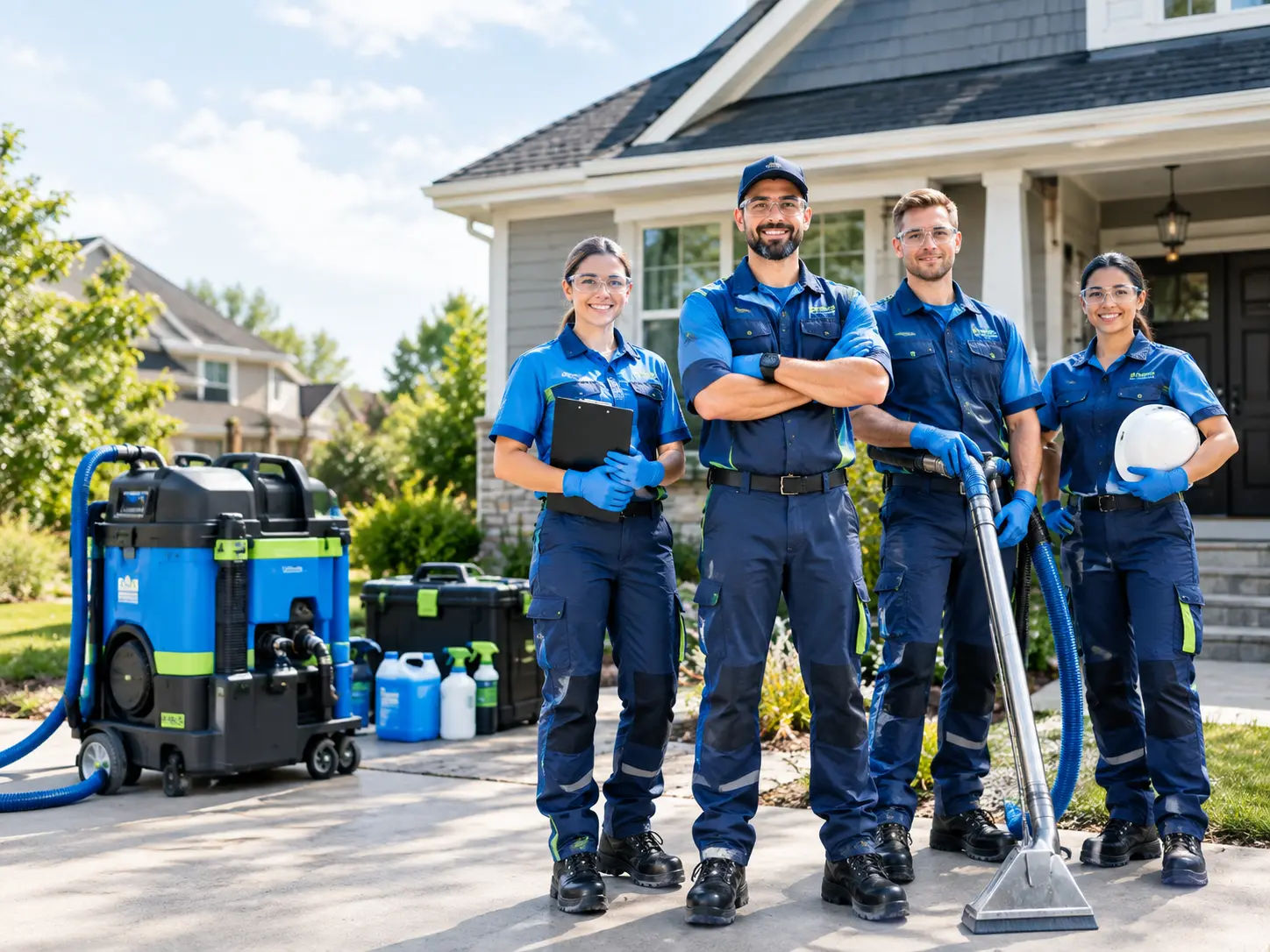
Experience
Septic Sewage Cleanup in Jacksonville
If your septic system has discharged sewage on your property, Septic Sewage Cleanup removes contaminated waste, restores sanitary conditions, and reduces immediate health risks while preparing the site for safe use. This page explains what the service includes, how professionals manage biological hazards, and what to expect for properties in Jacksonville, FL. Read on for practical guidance on emergency sewage cleanup, sanitation, and decontamination services so you can make informed decisions quickly.
What is Septic Sewage Cleanup and why might you need it?
Septic Sewage Cleanup addresses raw sewage releases from septic tanks, leach fields, broken pipes, or system backups and restores safe conditions on the affected property. The service focuses on containment, removal of contaminated solids and liquids, thorough disinfection, odor control, and waste transport and disposal in compliance with local regulations. Property owners need this service when visible sewage, persistent sewage odors, or confirmed backups create health, environmental, or structural concerns that exceed routine maintenance.
Septic sewage incidents differ from routine pumping because they often involve dispersed contamination across floors, yards, crawl spaces, or building cavities. Professionals treat sewage as a biohazard because it can contain bacteria, viruses, protozoa, and chemical contaminants that present direct exposure risks. Addressing these hazards promptly reduces the chance of indoor air quality problems, cross-contamination, and long-term material degradation.
Choosing professional cleanup limits secondary damage that can occur if contaminated materials remain in place or are handled incorrectly. A trained team applies containment strategies, appropriate disinfectants, and correct disposal methods so the property returns to safe occupancy standards. These actions also help identify root causes so corrective repairs or maintenance can prevent recurrence.
What does Septic Sewage Cleanup involve in Jacksonville, FL?
Septic Sewage Cleanup in Jacksonville, FL begins with an initial assessment to determine contamination extent, access constraints, and immediate risks to people and property. The assessment identifies source points, affected areas, and the safest removal approach, which guides the cleanup plan and estimates resource needs. Local site conditions such as soil type, building construction, and access can influence equipment and personnel requirements.
Typical cleanup tasks include removing bulk sewage and contaminated solids, extracting standing wastewater, pressure-rinsing or steam-cleaning impacted hard surfaces, and applying EPA-registered disinfectants or sanitizers suited to the situation. Hygienic restoration often requires controlled drying, odor mitigation, and disposal of non-salvageable porous materials. For outdoor releases, soil excavation or engineered remediation may be necessary to remove contaminated soil or replace drainfield components.
After active remediation, technicians perform clearance checks and document actions taken, including waste manifesting when biohazardous waste removal is required. You should receive a clear explanation of what was removed, what remained, and recommendations for repairs or follow-up tests. These records support recovery decisions and help coordinate with inspectors or insurance representatives.
Who needs Emergency Sewage Cleanup, Sanitation and Decontamination Services?
Emergency Sewage Cleanup is appropriate for any person or property experiencing an uncontrolled sewage release that poses immediate health, environmental, or property risks. Residential homeowners, landlords, commercial property managers, and facilities with septic systems or lateral connections may require these services when backups, system failures, or storm damage cause sewage to enter occupied spaces or open ground. Emergency response is important when people are present, when sewage contacts living areas, or when structural elements might be compromised.
Sanitation and decontamination become necessary after events such as septic tank overflows, collapsed drain lines, or malfunctioning pumps where contamination extends beyond the septic tank itself. Facilities with special requirements—medical offices, childcare centers, or food-service businesses—often need thorough decontamination to meet health standards before reopening. In all cases, professional intervention helps ensure disinfectant selection, waste handling, and documentation meet public health expectations.
If the situation involves hazardous chemicals in addition to biological contaminants, professionals coordinate with hazardous materials specialists or local authorities to manage combined risks. This integrated approach protects occupants and responders and preserves property where possible.
How does the Septic Sewage Cleanup process work?
The septic sewage cleanup process follows a logical sequence of steps that professionals tailor to each site: contact, assessment, planning, containment, removal, disinfection, verification, and follow-up. These steps ensure safety, efficiency, and clear communication about the work scope and outcomes. Professionals prioritize preventing contamination spread and protecting people during every phase.
- Initial contact and information gathering to understand the incident, access, and safety concerns.
- On-site assessment to map contamination, identify hazards, and determine required equipment and personnel.
- Scope identification and written plan describing containment, removal strategies, and required permits or disposal methods.
- Preparation of the site, including isolation of the area, shutoff of power or water if needed, and placement of containment barriers.
- Service execution: bulk removal, extraction, cleaning of surfaces, odor control, and waste packaging.
- Inspection, clearance testing when necessary, and documentation of completed work.
- Completion and recommendations for repairs, follow-up monitoring, or maintenance.
This sequence reduces the chance of missed contamination and provides a clear structure for decision-making during an emergency.
What should you expect during an on-site assessment?
During an on-site assessment, expect a professional to identify the contamination source, affected zones, entry points, and any immediate safety hazards that need mitigation. The assessor documents visible sewage, tests for moisture in hidden spaces, and evaluates structural concerns such as compromised flooring or saturated insulation. They also determine whether confined-space entry, electrical shutdown, or coordination with other contractors is required.
You should expect questions about the timeline of the event, previous maintenance, and any attempts at cleanup. This information helps prioritize actions and avoid repeating unsafe methods such as DIY chlorination without proper containment. The assessor explains initial containment steps that can be taken safely and items that must be handled only by trained technicians.
Finally, the assessor outlines the recommended scope of work, lists required personnel and equipment, and provides an estimate of estimated duration and factors that could change it. This preliminary plan helps you make informed decisions about next steps, permits, and notification of tenants or occupants.
What equipment, materials, and methods are used?
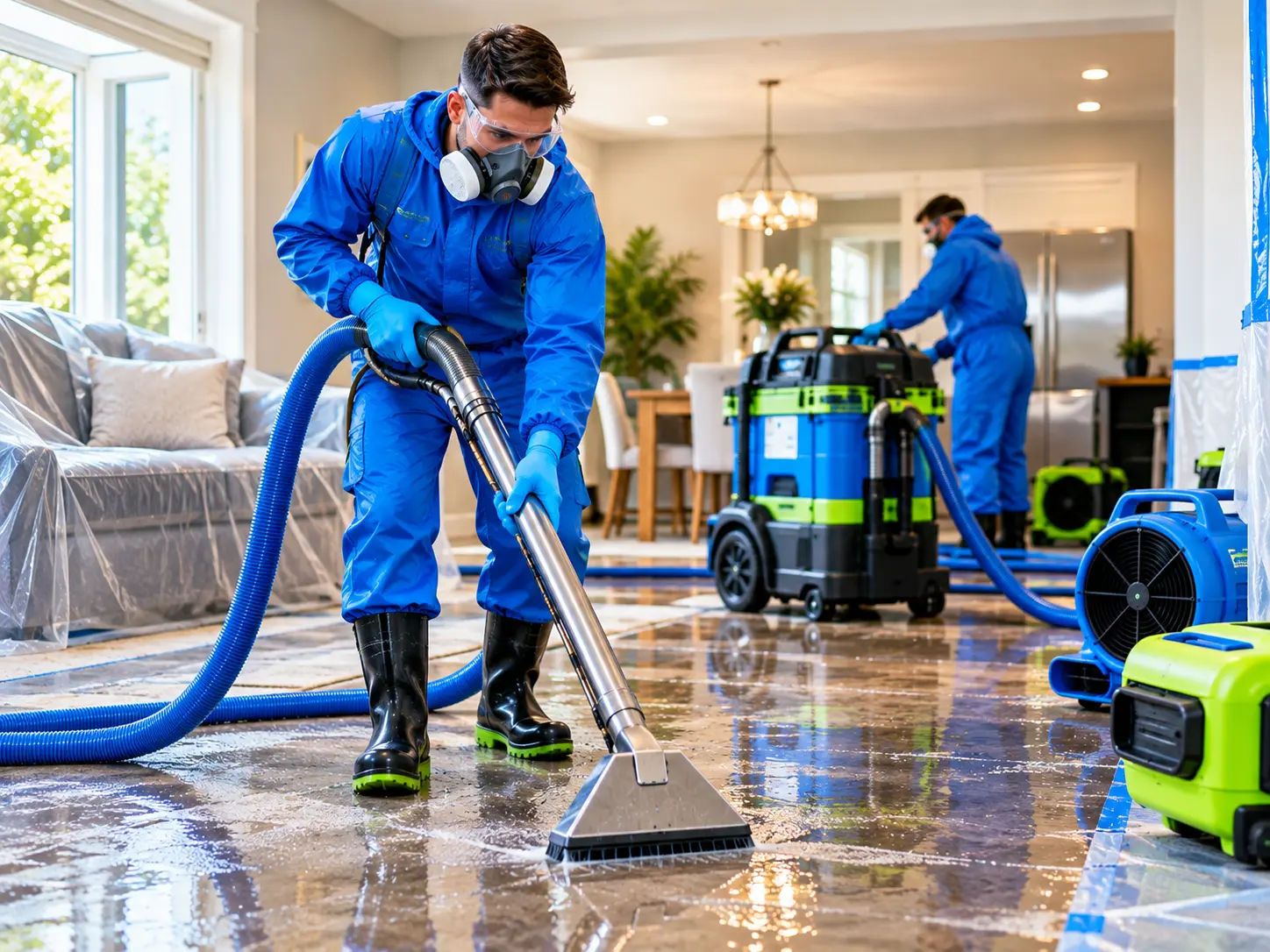
Technicians use a combination of extraction tools, containment supplies, personal protective equipment, and disinfectants tailored to biological contamination from septic sewage. Common equipment includes truck-mounted vacuum systems or portable pumps for wastewater removal, high-capacity wet/dry vacuums, pressure washers, and HEPA-filtered negative air machines for drying and particulate control. Containment materials include polyethylene sheeting, barriers, and absorbent pads.
For sanitation, teams rely on detergents, degreasers, and EPA-registered disinfectants appropriate for sewage pathogens; selection depends on surface type, organic load, and ventilation. Porous materials such as soaked carpets, drywall, or insulation are evaluated for salvageability; unsalvageable items are removed and packaged for proper disposal. Transport of biohazardous waste follows local rules and may require manifesting or licensed disposal facilities.
Technicians apply methods that limit aerosolization of contaminants, such as low-pressure rinsing and controlled agitation, and they use proper waste segregation to prevent cross-contamination between clean and contaminated zones. Documentation of the materials used and quantities applied supports transparency and any required reporting.
What safety precautions apply to Septic Sewage Cleanup?
Safety precautions include using appropriate PPE, controlling access to contaminated areas, and preventing cross-contamination to clean spaces. PPE typically includes impermeable gloves, disposable or washable coveralls, eye protection, and respirators when aerosol or vapors are a concern. Workers also use boot covers, face shields, and hand hygiene protocols to reduce exposure.
Electrical hazards, confined spaces, and structural instability require specific precautions such as lockout-tagout, confined-space permits, and structural shoring or support. When work involves chemicals or strong disinfectants, proper ventilation and chemical handling procedures help protect responders and occupants. In certain circumstances, coordination with local health departments or environmental agencies ensures compliance with public health reporting and disposal rules.
General safety also covers personal decontamination procedures and clear procedures for waste handling, transport, and disposal to avoid accidental exposure after cleanup. These precautions protect residents, workers, and anyone involved in rebuilding or repair work.
What factors affect the service scope, duration, and cost?
Service scope, duration, and cost often depend on contamination extent, accessibility, material salvageability, and underlying system repairs needed to stop recurrence. Larger spills that affect multiple rooms, crawlspaces, or outdoor areas require more labor, equipment, and disposal capacity. Restricted access, such as tight crawlspaces or steep yards, increases labor time and may require specialized tools.
Material type affects salvage decisions: non-porous surfaces are easier to clean and disinfect, while porous materials may need removal and replacement. The presence of structural damage, mold growth, or co-contaminants such as petroleum products or chemicals increases complexity. Local disposal regulations and travel time to permitted disposal facilities also influence cost.
Professionals assess these variables and provide an estimate reflecting expected outcomes while noting items that might change the final scope or price. Clear communication about these factors before work begins helps avoid surprises and allows for prioritizing tasks based on safety and budget.
How should you prepare your property before service?
You should secure occupants and pets and avoid entering contaminated areas to limit exposure and cross-contamination. If safe to do so, turn off HVAC systems that could spread contaminated air and close doors to isolate the affected area. Keep a log of who enters and exits the site to support cleanup and safety protocols.
Remove or relocate undamaged valuables, documents, and electronics from adjacent clean areas to avoid accidental contamination. Photograph affected areas for insurance before any remediation if it is safe and does not interfere with response actions. Provide the cleanup team with access points and any system documentation, such as septic tank maps or recent inspection reports, to speed assessment.
Inform the responders about known chemicals or special materials in the property and any occupants with health sensitivities. This information helps the team choose compatible disinfectants and minimize unnecessary chemical exposures during remediation.
What maintenance follows cleanup to reduce recurrence?
Follow-up maintenance often includes septic system inspection, tank pumping if solids contributed to the backup, repair or replacement of damaged pipes, and restoration of soaked building materials. Professionals commonly recommend scheduling an inspection to confirm system function and identify issues such as blocked drainfields or damaged baffles. Regular pumping intervals and avoiding excessive water loads reduce the likelihood of future backups.
If cleanup involved soil or drainfield contamination, a septic or environmental professional may recommend soil testing, replacement of soil, or reconstruction of drainfield components. Inside the structure, replacing porous materials that cannot be safely sanitized—such as carpets, drywall, or insulation—prevents mold and lingering odors. Documenting maintenance actions and repairs helps track system health and supports any future property transactions.
Routine preventative practices, such as disposing of fats, oils, grease, and non-biodegradable items properly, reduce solids entering the septic system and lower the chance of system failure. Professionals can advise on best-use practices specific to your system design and household patterns.
What questions should you ask a Septic Sewage Cleanup provider?
Ask whether the provider has specific experience with septic sewage events and emergency sanitation work, and ask how they handle containment and waste disposal. Request a clear scope of work and a written plan that outlines safety measures, equipment to be used, and disposal methods for contaminated materials. Ask about verification methods used after cleanup, such as moisture readings, odor checks, or visual inspections, and what documentation you will receive.
Clarify which permits or notifications are required and who will obtain them, if applicable. Inquire about the qualifications of personnel performing confined-space entry or hazardous-materials handling, and whether the company coordinates with licensed waste haulers when biohazard disposal is needed. Ask for an explanation of charges and what variables could change the final price or timeline.
Finally, ask for references to similar work if you need reassurance, and request any written post-service recommendations for repairs or maintenance to prevent recurrence. A reliable provider communicates clearly, documents actions, and outlines follow-up steps for you.
What local considerations affect service in Jacksonville, FL?
Local service considerations in Jacksonville, FL include municipal rules for biohazard waste disposal, seasonal weather impacts on access, and permitting or notification requirements that may apply. Professionals assess site access, distance to permitted disposal facilities, and any local public health reporting obligations during the initial assessment. These considerations can affect scheduling, equipment mobilization, and disposal logistics.
Seasonal conditions influence how quickly teams can dig or reach drainfields, and wet weather can complicate excavation or subsoil remediation. Providers plan for these conditions and may recommend temporary containment measures until permanent repairs are feasible. When dealing with septic systems, coordination with local health officials or building inspectors may be required to obtain approvals for repair or replacement work.
Ask your provider how they handle local permitting and disposal protocols, and whether documentation will be provided for insurance or regulatory follow-up. Clear communication about local constraints helps set realistic timelines and expectations for completion.
What are common safety and quality checks after cleanup?
Common safety and quality checks include moisture measurements, odor verification, surface cleanliness assessments, and inspection of seals, joints, or repairs that stop further leakage. Technicians often use moisture meters to confirm drying and to reduce the risk of mold growth. They perform visual checks for residual staining and may re-clean areas that do not meet hygiene criteria.
A final walkthrough should confirm that contaminated materials have been removed, containment removed safely, and affected systems such as HVAC are inspected before reactivation. Where relevant, clearance testing or third-party verification provides additional assurance that the environment meets safety expectations. These checks document that the cleanup met agreed standards and identify any outstanding items that require action.
Your provider should deliver a written report summarizing the actions taken, material removed, and recommendations for repairs or maintenance. Keep these records for future reference or insurance claims.
How do professionals handle biohazardous waste and disposal?
Professionals segregate sewage-contaminated waste from regular trash, package it in appropriate containers, and transport it to licensed disposal facilities following local regulations. Waste types include liquid sewage, saturated porous materials, and contaminated debris; each often requires specific handling and manifesting procedures. A licensed waste transporter may be used for materials that qualify as regulated biohazardous waste.
Documentation commonly includes waste manifests or disposal receipts that specify quantities and disposal destinations. These documents support regulatory compliance and provide necessary records for insurance or health department inquiries. Disposal requirements vary by jurisdiction, so professionals plan logistics during the initial assessment.
If soil excavation is required, teams coordinate with environmental services to ensure soil testing, containment, and appropriate disposal or treatment options are followed. Proper disposal reduces environmental risks and legal liabilities.
How do environmental and health standards guide cleanup choices?
Environmental and health standards guide disinfectant selection, PPE requirements, waste handling, and clearance methods to limit exposure to pathogens and protect public health. Agencies such as the EPA, CDC, and OSHA publish guidance on infection control, hazardous waste, and worker safety that professionals use to develop protocols. These standards inform choices about ventilation, chemical selection, and post-cleanup verification techniques.
Technicians use standards-based approaches to balance effective disinfection with material compatibility and occupant safety. For example, some disinfectants require specific contact times to inactivate pathogens, and surfaces must be cleaned of organic matter before disinfection is effective. Adhering to recognized standards ensures consistency and defensible practices if regulators or insurers request documentation.
While exact regulatory requirements vary by location, providers rely on commonly accepted guidance to shape their practices and explain the rationale to property owners. This transparency helps property owners understand the expected outcomes and limitations of the cleanup work.
Call to action: Ready to discuss Septic Sewage Cleanup in Jacksonville, FL?
Contact the team to describe your septic sewage issue, arrange an assessment, or request immediate emergency response by calling (888) 679-3880. Provide details about the location of contamination, how long it has been present, and any known system issues to speed the triage process. The team can explain initial safety steps you can take and schedule an on-site assessment to determine the safest remediation plan.
If the situation presents immediate health hazards, minimize exposure, evacuate affected spaces, and inform responders about any vulnerable occupants before they arrive. For non-emergencies, preparing septic system records and recent maintenance history helps the assessment. Call (888) 679-3880 to discuss your situation and next steps.
Frequently asked questions about Septic Sewage Cleanup, Emergency Sewage Cleanup, Sanitation and Decontamination Services in Jacksonville, FL
Q: How quickly should I call a professional after discovering a septic backup? A: You should contact a professional as soon as you discover sewage in living spaces, when odors persist after initial attempts to control them, or when you observe signs of system failure that allow sewage to leave the septic system. Prompt action limits exposure, reduces secondary damage, and preserves salvageable materials.
Q: Can I clean up septic sewage myself with household bleach? A: Household bleach can disinfect small, nonporous surfaces but is not a complete solution for significant sewage events or porous materials; professional cleanup addresses containment, proper waste removal, and verification. Incorrect use of chemicals can create hazardous fumes or be ineffective on organic matter that shields pathogens.
Q: Will insurance cover septic sewage cleanup in Jacksonville, FL? A: Coverage depends on your specific insurance policy, cause of the backup, and any endorsements for sewer or septic damage; professionals provide documentation that insurers commonly request, such as photos, remediation reports, and disposal receipts. Contact your insurer promptly to confirm coverage and required documentation.
Q: How do technicians determine if porous materials must be removed? A: Technicians evaluate porosity, saturation level, odor persistence, and ability to reach required disinfectant contact times; materials like insulation, drywall, and padding that retain moisture or cannot be reliably disinfected are often removed and replaced. Documentation explains the decision to salvage or discard items.
Q: Is there a risk of long-term contamination after cleanup? A: Properly executed cleanup combined with necessary repairs typically reduces the risk of long-term contamination, but unresolved system failures, hidden moisture, or retained contaminated materials can cause ongoing issues. Follow-up inspections and adherence to maintenance recommendations reduce this risk.
Q: What should landlords in Jacksonville, FL tell tenants after a sewage incident? A: Landlords should notify tenants about the nature of the incident, safety precautions, access requirements for remediation, and expected timelines for cleanup and re-occupancy. Keeping tenants informed and documenting communications supports health and safety and may be required by local housing regulations.
Q: Do professionals test for specific pathogens after cleanup? A: Post-cleanup testing usually focuses on environmental indicators such as surface cleanliness, moisture levels, and odor control instead of specific pathogen testing; specific testing is arranged when medically necessary or required by health authorities. Discuss testing needs during the assessment if you have particular concerns.
Q: When is excavation of soil required for septic contamination? A: Excavation becomes necessary when contamination has penetrated soil to levels that present environmental or health hazards, when drainfield components are damaged, or when biological remediation cannot restore acceptable conditions. Professionals assess soil impacts and coordinate with environmental agencies for appropriate remediation and disposal.
If you have more questions about an active or recent sewage release on your property, call to schedule an assessment or to discuss safe next steps: (888) 679-3880. Documentation from a professional assessment will clarify required actions, timelines, and any additional specialist involvement.
[End of Article]
Quality Assurance
We guarantee exceptional septic sewage cleanup results with every project.
Prompt Service
On-time service delivery with attention to every detail.